
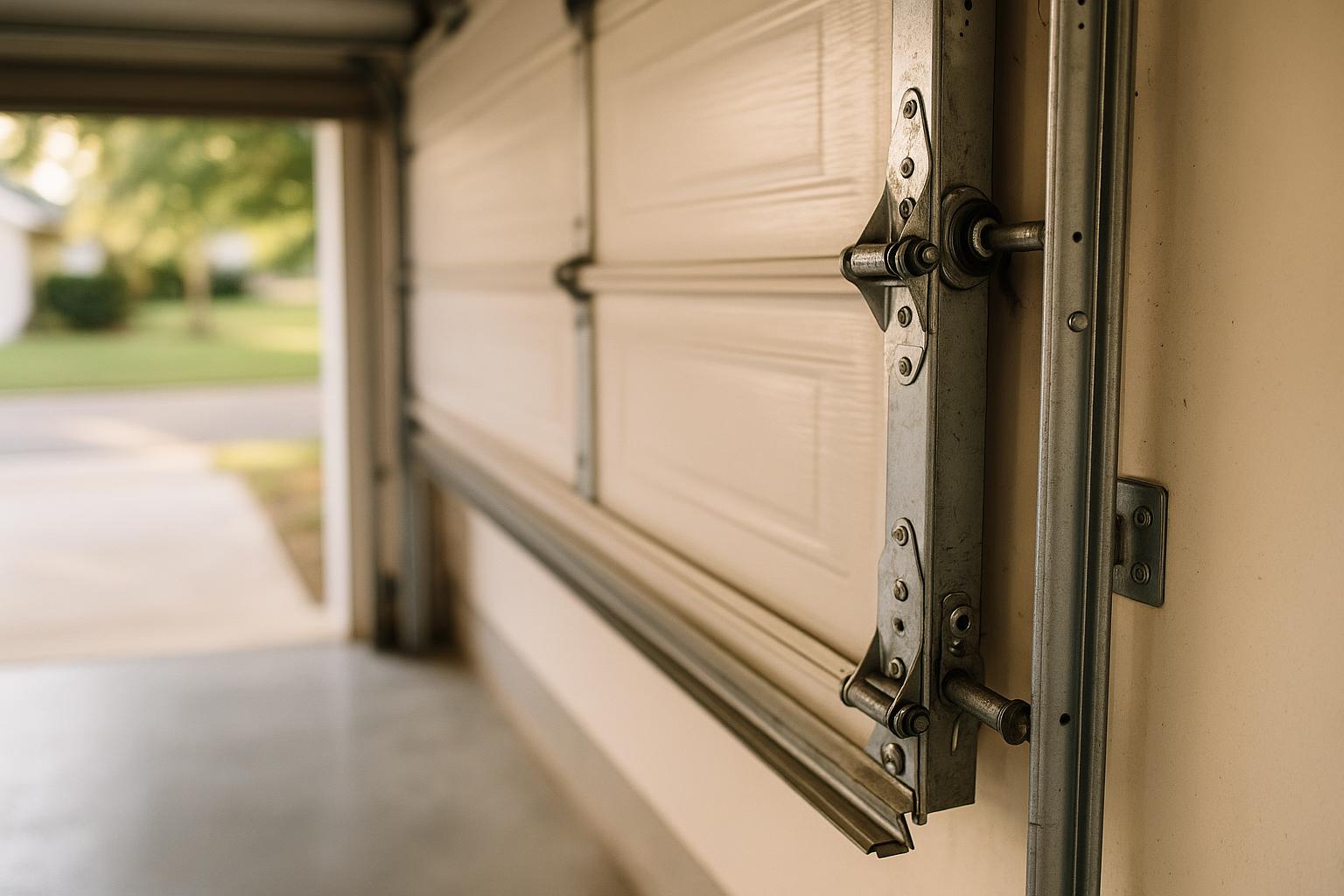
That Noise From Your Garage Isn't Normal
You press the button on your garage door opener, and instead of a smooth, quiet operation, you hear grinding, squealing, popping, or rattling. If this sounds familiar, you're not alone. Noisy garage doors are one of the most common complaints we hear from homeowners in Lake City, and the good news is that most causes are identifiable and fixable.
But here's the important part: ignoring those sounds can lead to bigger, more expensive problems down the road. A noise that starts as a minor annoyance can signal worn-out parts, misalignment, or even a safety hazard. Let's break down the most common garage door noises, what they mean, and what you should do about each one.
Grinding or Scraping Sounds
A grinding noise when your garage door opens or closes is one of the more concerning sounds you might hear. This typically points to one of a few issues:
- Worn rollers: Metal rollers that have lost their lubrication or have become damaged will grind against the track. Nylon rollers are quieter and last longer, and upgrading to them is a popular fix for Lake City homeowners looking for a smoother, quieter door.
- Misaligned tracks: If the vertical or horizontal tracks have shifted even slightly, the door can scrape against them as it moves. This creates friction that wears down both the track and the rollers over time.
- Opener gear issues: In belt-drive and chain-drive openers, worn internal gears can produce a grinding noise. This often means the opener's gear kit needs to be replaced before the opener fails completely.
If you hear grinding, it's best to have the door inspected sooner rather than later. Continuing to operate a misaligned or poorly lubricated door can cause parts to fail unexpectedly.
Squealing or Squeaking
A high-pitched squeal or squeak is usually a lubrication problem. Garage doors have many moving parts — rollers, hinges, springs, and bearings — and all of them need periodic lubrication to function properly.
Here in Lake City, our humid Florida climate can actually accelerate the breakdown of lubricants and promote surface rust on metal components. That's why we recommend lubricating your garage door's moving parts at least twice a year, ideally with a silicone-based garage door lubricant rather than WD-40, which is more of a solvent than a long-term lubricant.
Parts to Lubricate
- Hinges (where they pivot)
- Rollers (especially steel rollers with exposed bearings)
- Torsion spring coils
- Bearing plates at the top of the door
- The opener's rail or chain
If lubrication doesn't solve the squealing, the problem may be a worn bearing or a spring that's nearing the end of its lifespan. In that case, professional inspection is the safest route.
Loud Banging or Popping
A sudden bang or pop from your garage is alarming, and for good reason. In many cases, this noise is caused by:
- A broken torsion spring: This is the most common cause of a loud bang. Torsion springs are under extreme tension, and when one breaks, it releases all that energy at once, producing a sound that many homeowners describe as an explosion or gunshot. If this happens, do not attempt to open or close the door. A broken spring makes the door extremely heavy and dangerous to operate manually.
- Panels flexing: If your door panels are warped or the door is unbalanced, they may pop or bang as they flex during operation. This is more common with older wooden doors or doors that have sustained minor impact damage.
- Loose hardware: Over time, the vibration of daily use can loosen nuts, bolts, and brackets. A loose bracket on a track or a hinge can cause banging as the door moves through its cycle.
Spring replacement is not a DIY job. The tension involved makes it one of the most dangerous garage door repairs, and it should always be handled by a trained technician.
Rattling or Vibrating
Rattling is often the easiest noise to fix, but it shouldn't be ignored. Common causes include:
- Loose chain on a chain-drive opener: If the chain has too much slack, it will vibrate and rattle against the rail during operation. A simple adjustment can usually solve this.
- Loose nuts and bolts: As mentioned above, hardware loosens over time. A quick tightening of all visible bolts and brackets can eliminate rattling in many cases.
- Worn or unsecured opener mounting: If the opener unit itself is vibrating, the mounting bracket or the support strut may need to be reinforced. This is especially common in older installations.
We recommend doing a visual and auditory check of your garage door at least once a month. Stand inside the garage, operate the door, and listen. If something sounds different from the usual smooth operation, take note and address it early.
When to Call a Professional
Some garage door maintenance tasks, like lubrication and tightening loose bolts, are safe for most homeowners to handle. But other repairs require professional tools, training, and experience. You should call a garage door technician if:
- You hear a loud bang and suspect a broken spring
- The door is visibly off-track or crooked
- Grinding continues after lubrication
- The opener is making internal mechanical noises
- The door feels significantly heavier than usual when lifted manually
- You notice frayed cables or damaged hardware
Attempting to repair springs, cables, or tracks without the right expertise can result in serious injury. It's always worth the investment to have these components handled safely.
Preventive Maintenance Makes a Difference
The best way to avoid unexpected noises and breakdowns is through regular maintenance. A professional tune-up typically includes lubricating all moving parts, tightening hardware, inspecting springs and cables, testing the door's balance, and checking the safety reversal system on the opener.
For homeowners in Lake City, Live Oak, Fort White, and the surrounding areas, scheduling a maintenance visit once or twice a year can extend the life of your garage door system by several years and help you avoid costly emergency repairs.
Don't Ignore What Your Garage Door Is Telling You
Your garage door is one of the largest moving parts of your home, and when it starts making unusual sounds, it's communicating that something needs attention. Whether it's a simple lubrication issue or a spring that's about to fail, addressing the problem early saves you time, money, and stress.
If your garage door has been making noises that concern you, Lake City Garage & Gate is here to help. We provide honest assessments, transparent pricing, and reliable repairs to keep your door operating safely and quietly. Give us a call to schedule an inspection and get your peace of mind back.